
Find South Pasadena Residents
South Pasadena is a 3.41-square-mile incorporated city in Los Angeles County. A useful search moves among city, county, and California sources, because each keeper records a different relationship. The Assessor can connect a situs address to an AIN and parcel facts, but the public portal does not show an owner name. The Registrar-Recorder/County Clerk keeps deeds from 1850 forward, yet its real-estate index is not published on the open web. The South Pasadena Public Library adds directories, newspapers, yearbooks, and house-history help.
Begin with the strongest clue, then save each date, address, and spelling exactly. A property record can show an assessed owner without proving occupancy. A city directory can list an adult at an address without proving that person owned it or still lives there. California voter status is an authenticated self-lookup, not an open name directory. These limits do not make a South Pasadena residents directory search useless. They tell you which source can confirm which part of the story.
- Use the Los Angeles County Assessor Portal or map to identify the parcel, situs address, legal description, and AIN.
- Use an authorized Assessor channel for current owner information when the AIN and address are known.
- Search LA Court by the person and likely division, then compare the case date, role, and location.
- Use the library's city directories, reverse sections, newspapers, and yearbooks for earlier occupants or family clues.
- Ask the exact city, county, or state custodian for a copy when the needed record is not online.
South Pasadena Records Offices
The local records map has a clear split. City Hall and the library hold records created by local activity, such as permits, council actions, archives, and historical collections. Los Angeles County holds the main parcel, tax, deed, court, vital, and custody systems. California supplies statewide searches, privacy rules, voter-file controls, and the public-records fallback. Naming the keeper first prevents a request from being sent to an office that cannot legally hold the answer.
The county recorder is the place for recorded instruments, not a live list of residents. The Assessor is the place for parcel identity and assessed ownership channels, not a public owner-name search. The California Secretary of State's My Voter Status tool belongs to the voter whose identity is being authenticated. The South Pasadena City Records Program can expose council packets, minutes, ordinances, resolutions, and related city-created records through Laserfiche/WebLink or a California Public Records Act request.
Los Angeles County RR/CC
Real-estate records and vital records
Counter, mail, fax, or online copy order
(800) 201-8999 for procedure
Los Angeles County Assessor
AIN, situs, parcel, and roll facts
Portal, map, district office, or help desk
helpdesk@assessor.lacounty.gov
California Elections
Self-status and approved voter-file access
Authenticated lookup or qualified request
(800) 345-VOTE
For a city-created record, name the department, record type, address or person, and date range. Government Code section 7922.535 generally gives the agency ten days to determine whether responsive disclosable records exist, with a possible unusual-circumstances extension. That is a response determination, not a promise that production will be complete in ten days.
Start South Pasadena Address Searches
An AIN is the stable land key behind many South Pasadena address searches. The Los Angeles County Assessor Portal accepts an address or AIN, and its Legal Search and Map Search modes add tract, lot, and parcel context. Preserve the ten-digit value and the legal description before moving to a deed request. Street wording can change, while the parcel key helps tie the map, tax material, permit file, and recorded instrument together.
The Assessor's public help material is direct about the owner-name limit. Owner names are not displayed online and cannot be searched by name on the public site. Controlled channels include district offices, Property Data Sales, and a help-desk inquiry that supplies the AIN and property address. A current homeowner may request a deeper packet from the El Monte district office with proof of homeowner status. The online search is still useful, but it answers parcel questions first.
| Portal control | Type | Required | What it does |
|---|---|---|---|
| Basic Search | Mode tab | No | Opens the main lookup view |
| AIN or Address | Text or autocomplete | Yes | Finds a situs parcel or known AIN |
| Legal Search | Mode tab | No | Uses legal-description parts when known |
| Map Search | Mode tab | No | Moves from a parcel to nearby polygons |
| Owner name | Restricted mode | No | Not offered on the public website |
The Los Angeles County Assessor Portal shows the kind of address-first search that makes a South Pasadena residents directory trail verifiable. Capture the AIN, situs, legal description, building facts, assessed values, and roll date that the portal exposes.
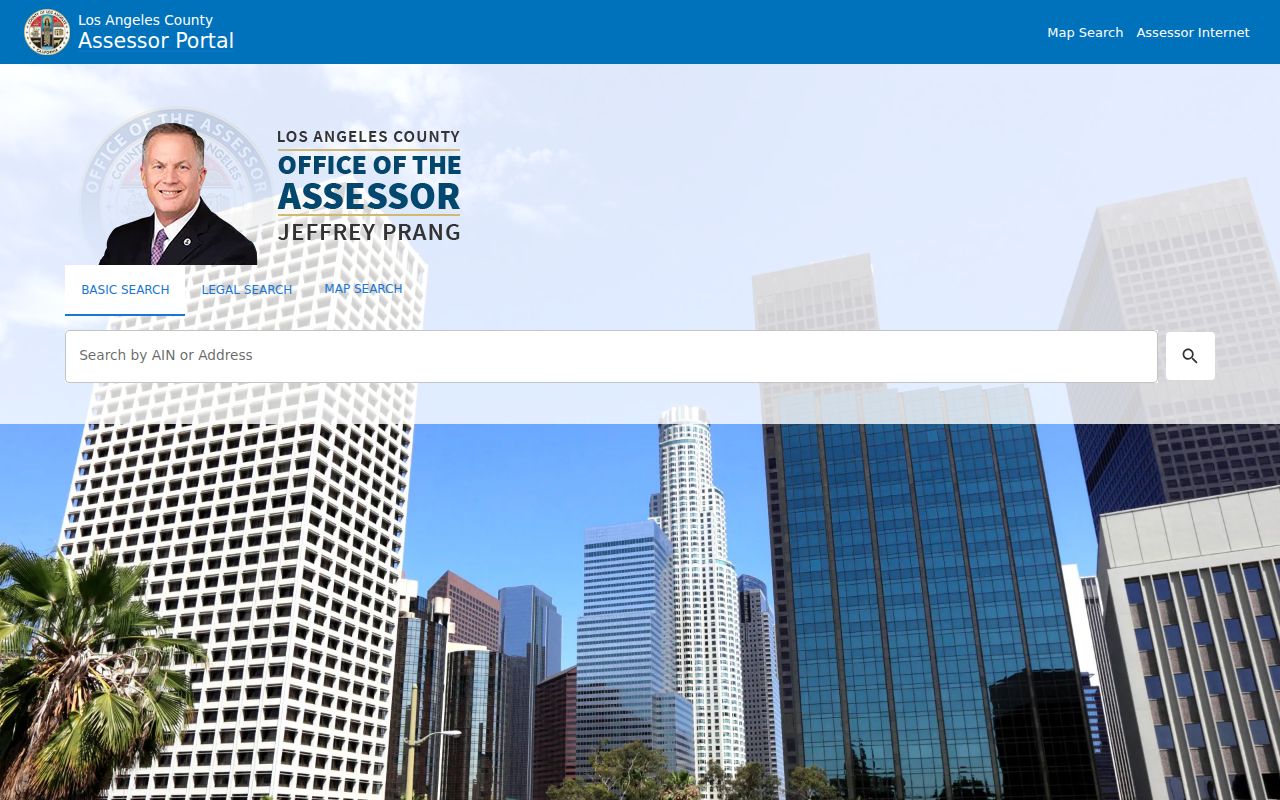
The parcel result is a starting point, not a claim about who occupies the home. Use the authorized owner channel and then choose the next record by the question at hand.
Current South Pasadena Resident Sources
Current resident evidence is spread across records with different meanings. The Assessor connects a parcel to assessed ownership, the voter system confirms a voter's own status, and the recorder supplies named parties to recorded instruments. City staff and board pages show public roles, while city permits can name applicants, contractors, or architects tied to an address. None of these systems is a complete population register.
| Source | What it can show | Keeper | Access path |
|---|---|---|---|
| Parcel roll and map | AIN, situs, legal parcel, values, building facts | LA County Assessor | Free web search; owner controlled |
| Recorded instruments | Grantor, grantee, liens, dates, legal description | LA County RR/CC | Counter or copy order |
| Voter status | One voter's registration status and election details | California Secretary of State | Authenticated self-lookup |
| City-created files | Applicants, speakers, contractors, public roles | South Pasadena | WebLink or CPRA request |
| Local history | Listed adults, students, events, household clues | South Pasadena Public Library | Reference desk or appointment |
The South Pasadena City Records Program is especially useful when a person appeared in a council, permit, contract, or public-comment record. When the goal is one person, the South Pasadena resident lookup workflow keeps the name, role, date, and source type separate.
The California bizfile Online search adds organization roles and filing addresses, while the Department of Consumer Affairs search adds public license status where a person works in a regulated profession. Those are affiliations and public filings, not proof of a home address.
The California business search is captured through the official Secretary of State portal, where a business name or entity number can lead to status, jurisdiction, agent, addresses, and filed documents. It is a useful public-role clue when a South Pasadena name appears in a company record.
Keep the filing date beside the result. A business address belongs to the organization or agent record and should not be treated as a residence.
Census QuickFacts reports 26,943 people at the 2020 Census on 3.41 square miles, a useful reminder that a compact city can still contain many similar names. The South Pasadena QuickFacts profile supplies that geographic and population context.
South Pasadena Deed Records Stay Offline
Los Angeles County records real-estate instruments from 1850 forward, but that date does not mean an online deed index reaches back to 1850. RR/CC intentionally keeps the open-web index offline because recorded instruments can include protected home addresses and the county cannot reliably separate every protected official from other records. Searchers can view records by appointment at the Norwalk headquarters, use an online vendor, send a mail or fax request, or use a participating branch.
A copy order needs a party name and recording year, or a document number, book and page, or document title. RR/CC does not begin a real-estate request from a street address or APN. Online orders may take up to twenty working days. The county lists plain and certified copy charges, a name-and-year search charge, and a credit-card handling charge on its current fee page. View-only access at the counter is a different channel from a paid copy.
| Route | Best for | What to bring |
|---|---|---|
| RR/CC counter | Viewing an index or instrument | Party name, year, and parcel clues |
| Online, mail, or fax order | Plain or certified copy | Document number or name, year, type, payment |
| Assessor bridge | Turning an address into a party clue | AIN, situs, legal description, authorized owner request |
The Los Angeles County recorder access page explains why the deed trail works through a counter or order rather than a free web box.
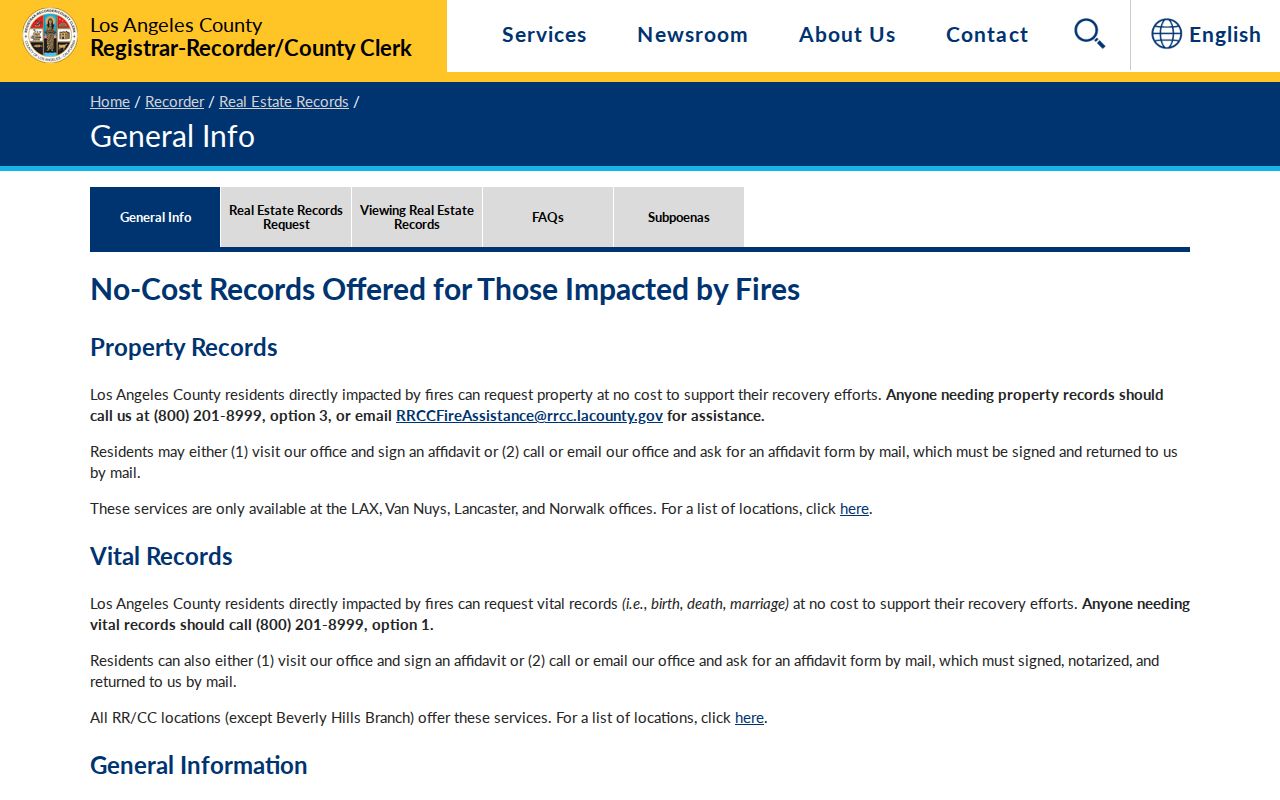
The image reflects an access rule that matters to every address search: use the parcel to find the likely party, then use the recorder's name-and-year process.
| Official county record | Commercial directory service | Careful use |
|---|---|---|
| Custodian-held deed, parcel, or court source | Compiled clues from many sources | Use the official record to verify |
| Defined fields and legal access rules | May merge similar names or stale addresses | Record the date and source type |
| Counter, request, or authenticated route | May charge for a report or update | Do not treat a result as current proof |
The South Pasadena Library Directory Trail
The South Pasadena Public Library supplies a rare local run that joins people, streets, and time. Physical city directories run from 1893 to the present. The library also holds South Pasadena High School's Copa de Oro yearbooks from 1909 to the present and local newspaper microfilm from 1893 to the present. Directories through 1962 and yearbooks from 1909 through 1924 are online through Internet Archive. Newspapers include the South Pasadena Review, South Pasadena Record, Foothill Review, South Pasadena Courier, and Federated News.
Reference Desk access is the normal path for the physical shelves. Sensitive archival series need an appointment, and the library may limit handling, scanning, copying, or photography. The Local History Librarian answers genealogy and house-history questions at localhistory@southpasadenaca.gov and (626) 403-7359. The library at 1100 Oxley Street is both a collection point and an access guide, which matters when an online scan is incomplete or an index is hard to read.
The South Pasadena Local History Collection pairs directory entries with photographs, biographical files, landmark information, and named archives. American Legion Post 140, the school district, PTA, Cawston Ostrich Farm, Broadbent Military Academy, and family papers can add a public association clue. These are appointment collections, not current resident databases.
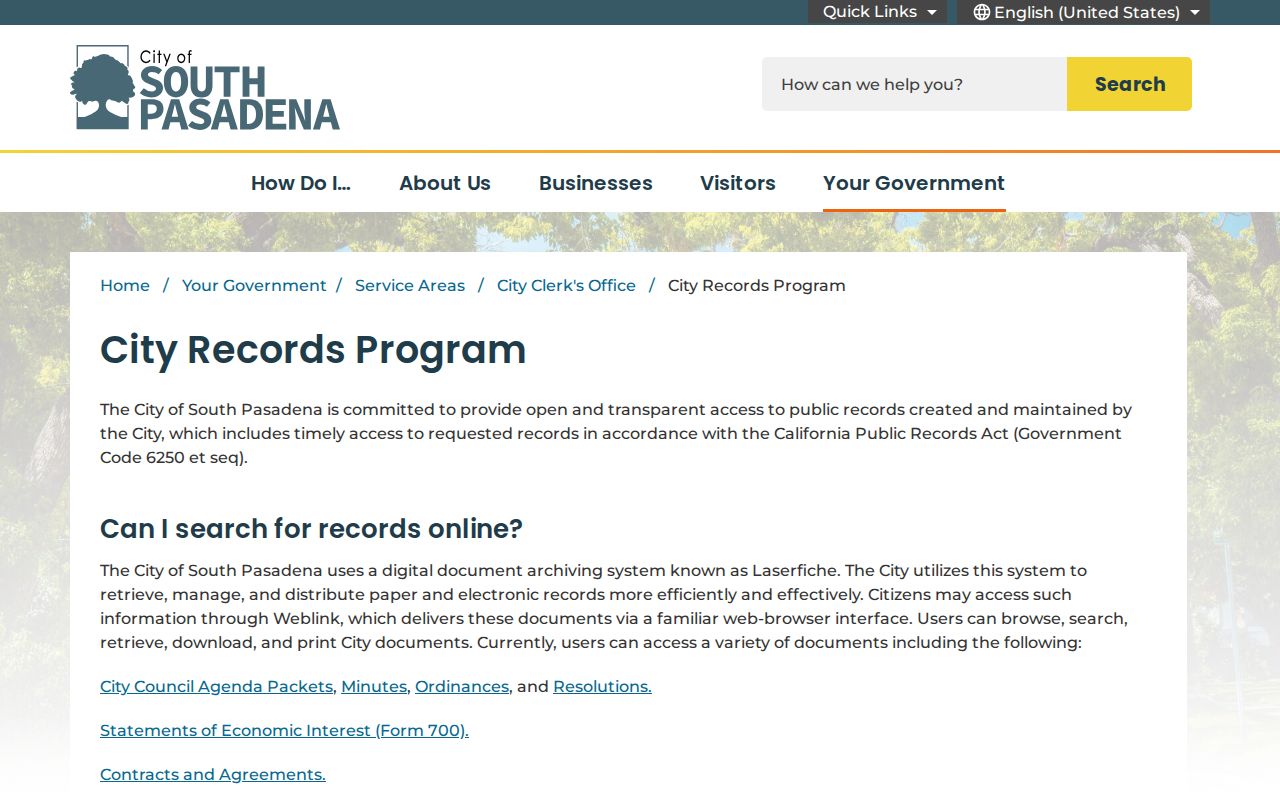
A city-records screen and a library shelf answer different questions, but together they explain why a name can appear in a local paper or permit file without appearing in a current roll.
The digitized South Pasadena Public Library collection on Internet Archive is the off-site doorway for the older public-domain run. A scan still needs a check against the printed page, its abbreviation key, and nearby years.
Privacy tools do not remove a library volume. They address different records and different custodians, so a historical clue should stay labeled as historical.
Choose a South Pasadena Record
A good South Pasadena residents directory search starts with the claim that needs support. An assessed owner connection is not the same as a current resident. A court index shows that a party used a name in a case, but it does not prove every fact someone might infer from that case. A yearbook can reconnect a former classmate while saying nothing about a present address. A vital certificate may confirm an event and relationship, yet eligibility controls who can receive it.
| Question about a parcel | Start with Assessor address or AIN search and map facts. |
|---|---|
| Question about an owner | Use the authorized Assessor owner channel, then RR/CC party records. |
| Question about a past household | Use directories, reverse volumes, census, and newspapers. |
| Question about a court matter | Choose the LA Superior Court division and compare date and role. |
| Question about an event | Use LA County or CDPH vital-record eligibility and copy rules. |
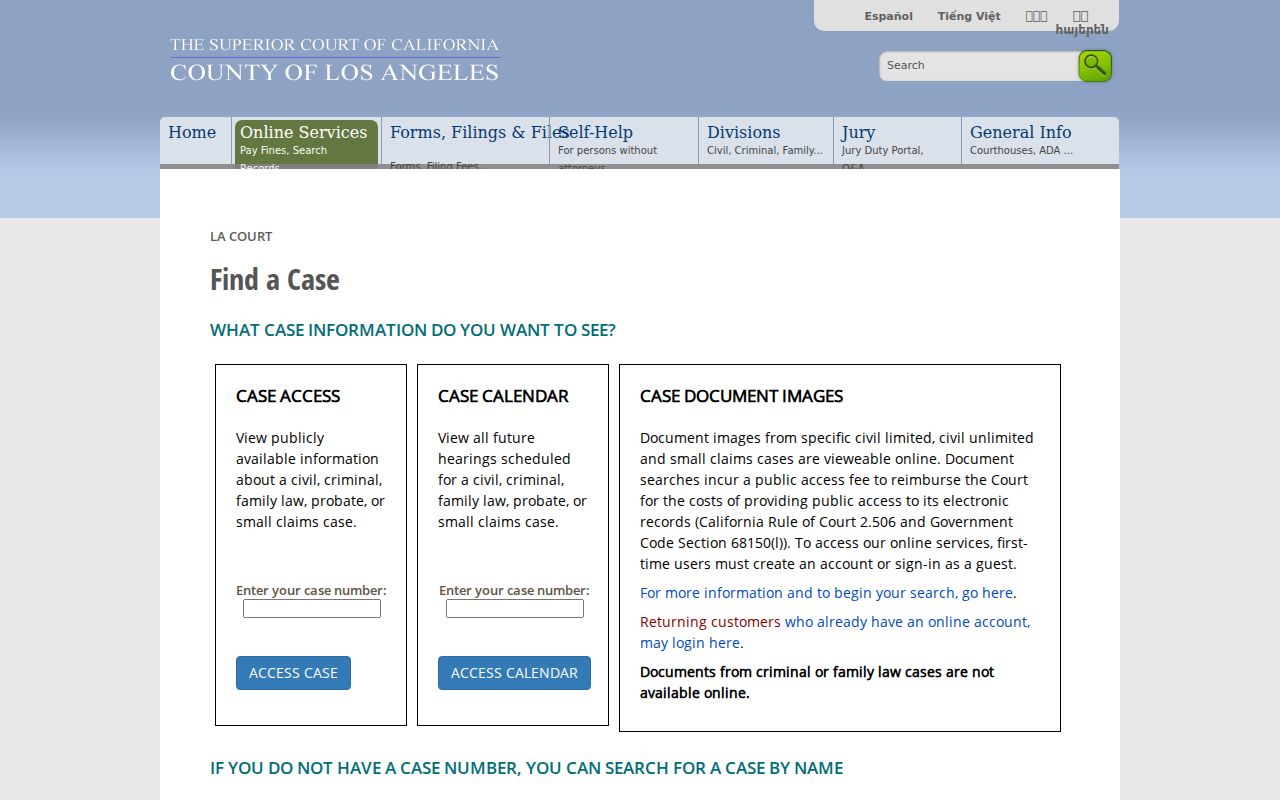
That order avoids a common mistake: treating one partial record as a complete biography. The LA Court Find a Case portal separates civil, probate, family, small-claims, and criminal name services, so the division is part of the search term.
Verify a South Pasadena Resident Name
Same-name errors are easiest to prevent at the first search. Save a middle name or initial, suffix, party role, filing date, and place. Then compare at least two independent sources. A business filing can add an agent or officer role. A court summary can add a case type and location. A directory can add an address and spouse or widow notation. None should be stretched beyond what its fields state.
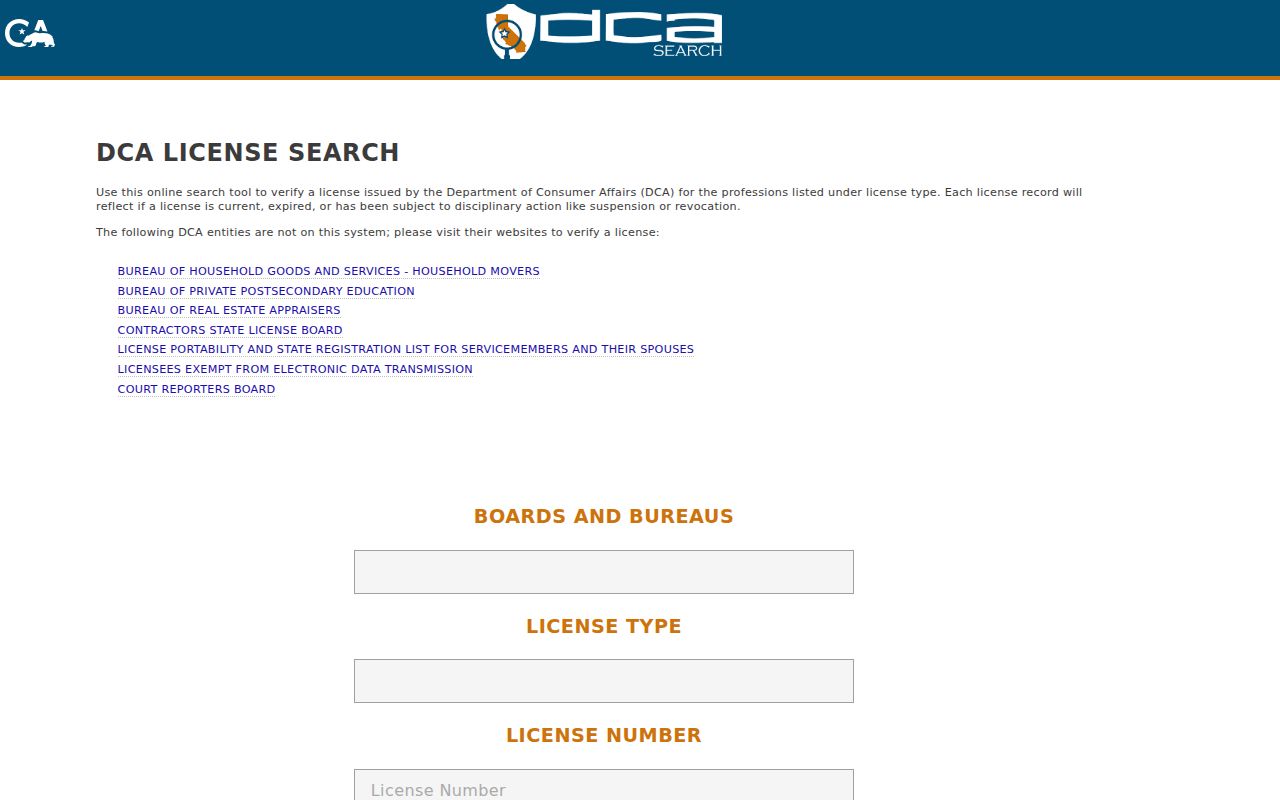
For a distinctive name, a careful sequence can run from the California business and license indexes to LA Superior Court, then to a known parcel or historical address. The State Controller's unclaimed-property search can offer a reported city or ZIP clue, but that clue is stale by design and is not proof of current residence. The California Department of Consumer Affairs license search can confirm a public professional record without exposing private household details.
The court screen captured for the Los Angeles Superior Court case search distinguishes a case number, filing date, location, case type, party or defendant search, calendar, and selected image access.
Use a result to narrow the identity question, not to fill gaps with guesswork. A clerk can explain how to request a file, but generally will not certify that two same-name entries are one person.
The California license search also shows why public role and home identity should stay separate. Its result can include status, dates, and public discipline links where available. A public role is a useful match point, not a residence claim.
For a family-history question, date the result and keep the record category beside the name. That small habit makes a later correction much easier.
South Pasadena Resident Voter Limits
California My Voter Status is designed for a voter to authenticate their own registration details, party preference, and election information. It is not a public name-and-address directory for South Pasadena. The state voter file can be requested only for approved election, scholarly, journalistic, political, governmental, or reviewed record-audit purposes. Confidential voters and protected address participants are excluded.
The distinction is central to a lawful resident lookup. An authenticated self-result can confirm the requester's own status. An approved file may contain fields such as name, registration county, status, precinct, registration date, mailing or residence data, and participation history, but not a general public browse of a block. Elections Code sections 2188, 2188.5, and 2194, plus related regulations, control access and use.
The California My Voter Status page and the Secretary of State's registration-status gateway are the correct routes for a person's own check. They are not substitutes for an open South Pasadena residents directory, and they should never be treated as one.
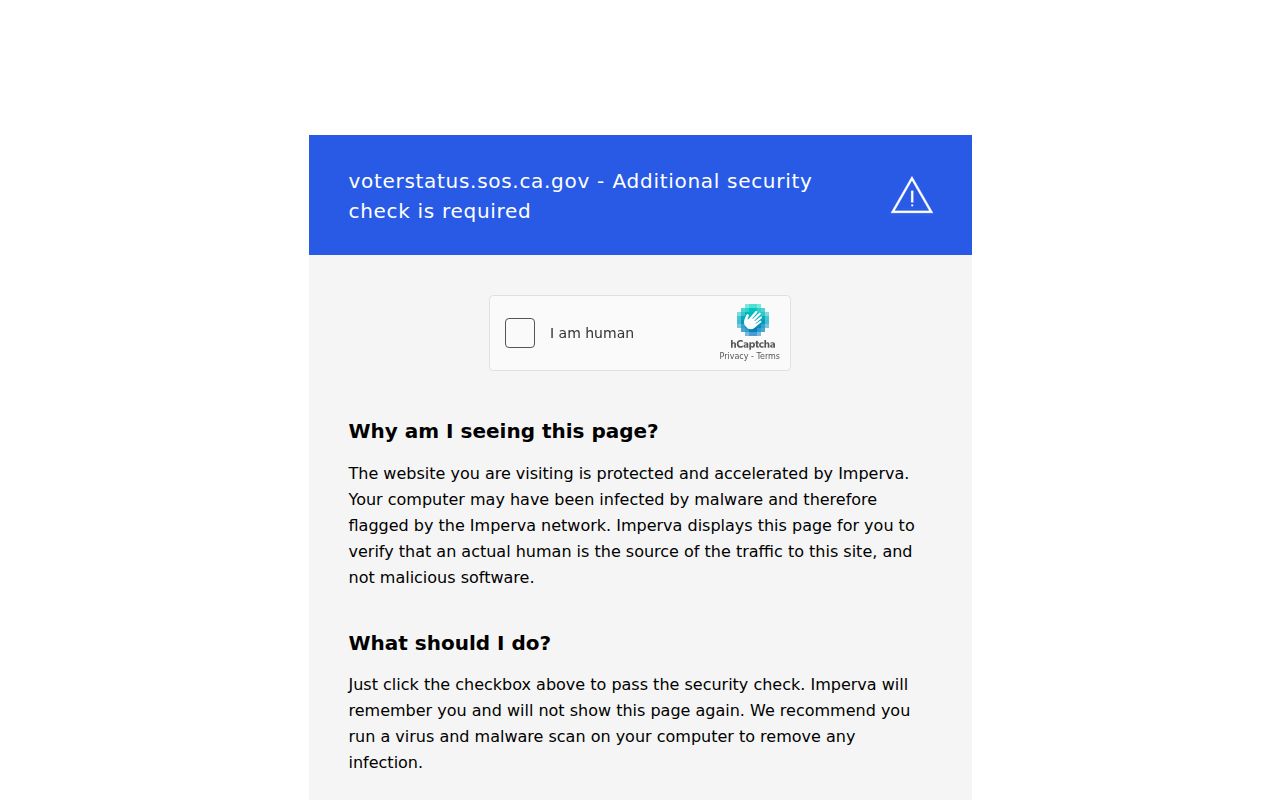
The self-lookup surface is narrow by design. That protects voters while leaving lawful historical and civic research channels available.
Protect South Pasadena Resident Addresses
California privacy channels sit beside the public-record trail. Safe at Home gives qualifying survivors and certain protected participants a substitute mailing address and confidential mail forwarding. Voter records for eligible participants can receive confidential status. Adoption, juvenile, sealed court, DMV, and other protected records remain controlled by their own laws. A records request cannot override those limits.
The 2026 Delete Request and Opt-out Platform, known as DROP, lets a California resident send one deletion request to more than 500 registered data brokers. The platform launched in January 2026, and mandatory broker processing began August 1, 2026. DROP addresses covered commercial data brokers. It does not erase a deed, court file, city archive, or library directory that a custodian must retain.
Lawful use. South Pasadena records are for personal, lawful research, family history, civic understanding, and safety awareness. Never use a name or address to stalk, harass, threaten, impersonate, or evade a confidentiality program.
The California DROP portal and the Safe at Home program serve different purposes. Use the channel that matches the custodian, and do not publish a protected address while trying to correct a result.
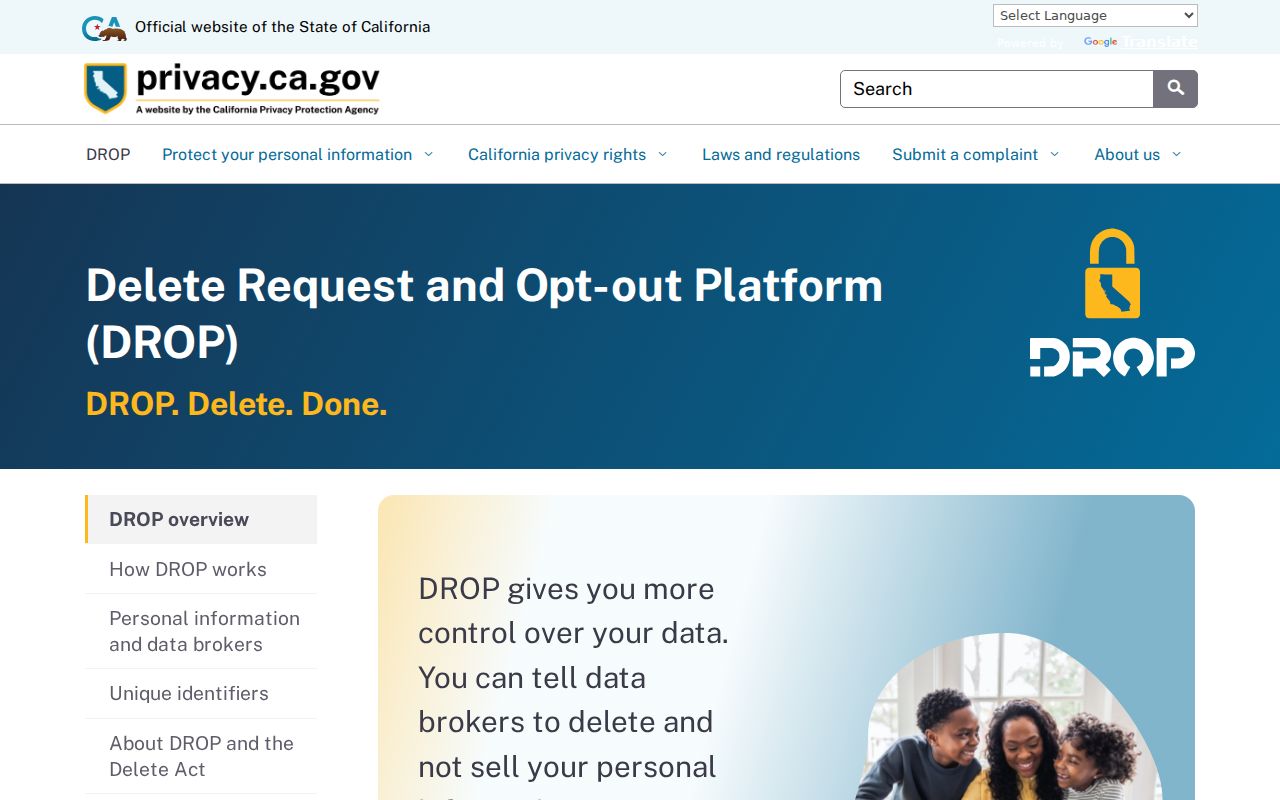
Deletion work should be tracked with the request date and any confirmation number. Public archive research must remain within the rules of the archive and the safety of the person involved.
South Pasadena Record Terms
Four terms keep an address search from sliding into a false conclusion. They describe the record's structure, not the whole life of a person. Read them before copying a name from one system into the next.
- Parcel
- A mapped piece of land with an AIN and legal description; a parcel can contain more than one postal unit.
- Situs address
- The physical location of the parcel or improvement, distinct from a tax-mailing address.
- Index
- A finding aid with names, dates, types, or numbers; an index is not always the full record image.
- Criss-cross directory
- A reverse directory section arranged by street and house number, used to move from an address to a listed occupant.
Los Angeles County's assessor map and the library's reverse volumes are both address tools, but one concerns land and the other concerns historical listings. The Assessor map help explains the AIN and owner-name restriction, while the library's house-research guidance explains how directories, permits, deeds, and Sanborn maps fit together.
2026 South Pasadena Resident Records
Several current items can change the cost or timing of a search. Check the custodian at order time, because a fee table or processing estimate is not a permanent fact. The following points come from the local research record and are useful freshness checks for a South Pasadena residents directory trail.
- California's DROP platform launched in 2026, with mandatory broker deletion processing beginning August 1.
- CDPH's 2026 certified-copy fees are $31 for birth, $26 for death, $19 for marriage, and $18 for dissolution.
- Los Angeles County's real-estate fraud prosecution recording surcharge increased from $5 to $10 on June 1, 2026.
- The Homeowner Notification Program combines specified mailed recording notices with Assessor Portal e-Notification enrollment.
- CDPH reported about four to six weeks for certified copies and seven to nine weeks for amendments in its July 9, 2026 update.
These changes do not create a new all-person directory. They change how a researcher protects a current owner, orders a vital copy, or removes a data-broker record. A homeowner notice can flag an unexpected filing, but the deed still needs to be read. A DROP request reaches registered brokers, not lawful government archives.
The California vital-record fee schedule and the Los Angeles County Homeowner Notification Program are the right places to recheck a time-sensitive request.