
Find South Pasadena Residents
South Pasadena is an incorporated city of 3.41 square miles inside Los Angeles County. A good search moves between city, county, and California sources. Each keeper records a different relationship. The Assessor links a situs address to an AIN and parcel facts. But the public portal shows no owner name. The Registrar-Recorder/County Clerk holds deeds from 1850 forward. Yet its real-estate index is not published on the open web. The South Pasadena Public Library rounds things out with directories, newspapers, yearbooks, and house-history help.
Start with the strongest clue. Save each date, address, and spelling exactly. Keep the limits straight, too. A property record can show an assessed owner without proving anyone lives there. A city directory can list an adult at an address. It does not prove ownership or current residency. California voter status is an authenticated self-lookup, not an open name directory. These limits do not make a South Pasadena residents directory search useless. They simply tell you which source can confirm which part of the story. That story runs from property rolls to past residents.
- Use the Los Angeles County Assessor Portal or map to identify the parcel, situs address, legal description, and AIN.
- Use an authorized Assessor channel for current owner information when the AIN and address are known.
- Search LA Court by the person and likely division, then compare the case date, role, and location.
- Use the library's city directories, reverse sections, newspapers, and yearbooks for earlier occupants or family clues.
- Ask the exact city, county, or state custodian for a copy when the needed record is not online.
South Pasadena Records Offices
The records map splits cleanly. City Hall and the library hold what local activity created. These include permits, council actions, archives, and historical collections. Los Angeles County runs the main parcel, tax, deed, court, vital, and custody systems. California adds statewide searches, privacy rules, voter-file controls, and the public-records fallback. Name the keeper first. That habit alone keeps a request on target. It won't land in an office that cannot legally hold the answer.
Each office has one job. The county recorder records instruments; it keeps no live list of residents. The Assessor handles parcel identity and assessed ownership channels, not a public owner-name search. The Secretary of State's My Voter Status tool belongs to the voter. It serves the voter whose identity is being checked. And the South Pasadena City Records Program opens council packets, minutes, ordinances, resolutions, and related city records. Access runs through Laserfiche/WebLink or a California Public Records Act request.
Los Angeles County RR/CC
Real-estate records and vital records
Counter, mail, fax, or online copy order
(800) 201-8999 for procedure
Los Angeles County Assessor
AIN, situs, parcel, and roll facts
Portal, map, district office, or help desk
helpdesk@assessor.lacounty.gov
California Elections
Self-status and approved voter-file access
Authenticated lookup or qualified request
(800) 345-VOTE
For a city-created record, name the department, record type, address or person, and date range. Government Code section 7922.535 generally gives the agency ten days to decide. It must say whether responsive disclosable records exist. An unusual-circumstances extension can stretch that clock. The deadline is only a determination, though. It is not a promise that production finishes in ten days.
Start South Pasadena Address Searches
An AIN is the stable land key behind many South Pasadena address searches. The Los Angeles County Assessor Portal accepts an address or AIN. Its Legal Search and Map Search modes add tract, lot, and parcel context. Preserve the ten-digit value and the legal description before requesting a deed. Street wording can change over the decades. The parcel key keeps the map, tax material, permit file, and recorded instrument tied together.
The Assessor's own help material is blunt about the owner-name limit. Owner names are not displayed online. They cannot be searched by name on the public site. Controlled channels include district offices, Property Data Sales, and a help-desk inquiry. That inquiry supplies the AIN and property address. A current homeowner can request a deeper packet from the El Monte district office. Proof of homeowner status is required. The online search still earns its keep. It just answers parcel questions first.
| Portal control | Type | Required | What it does |
|---|---|---|---|
| Basic Search | Mode tab | No | Opens the main lookup view |
| AIN or Address | Text or autocomplete | Yes | Finds a situs parcel or known AIN |
| Legal Search | Mode tab | No | Uses legal-description parts when known |
| Map Search | Mode tab | No | Moves from a parcel to nearby polygons |
| Owner name | Restricted mode | No | Not offered on the public website |
The Los Angeles County Assessor Portal shows the address-first search that makes a South Pasadena residents directory trail verifiable. Grab the AIN, situs, legal description, building facts, assessed values, and roll date the portal exposes.
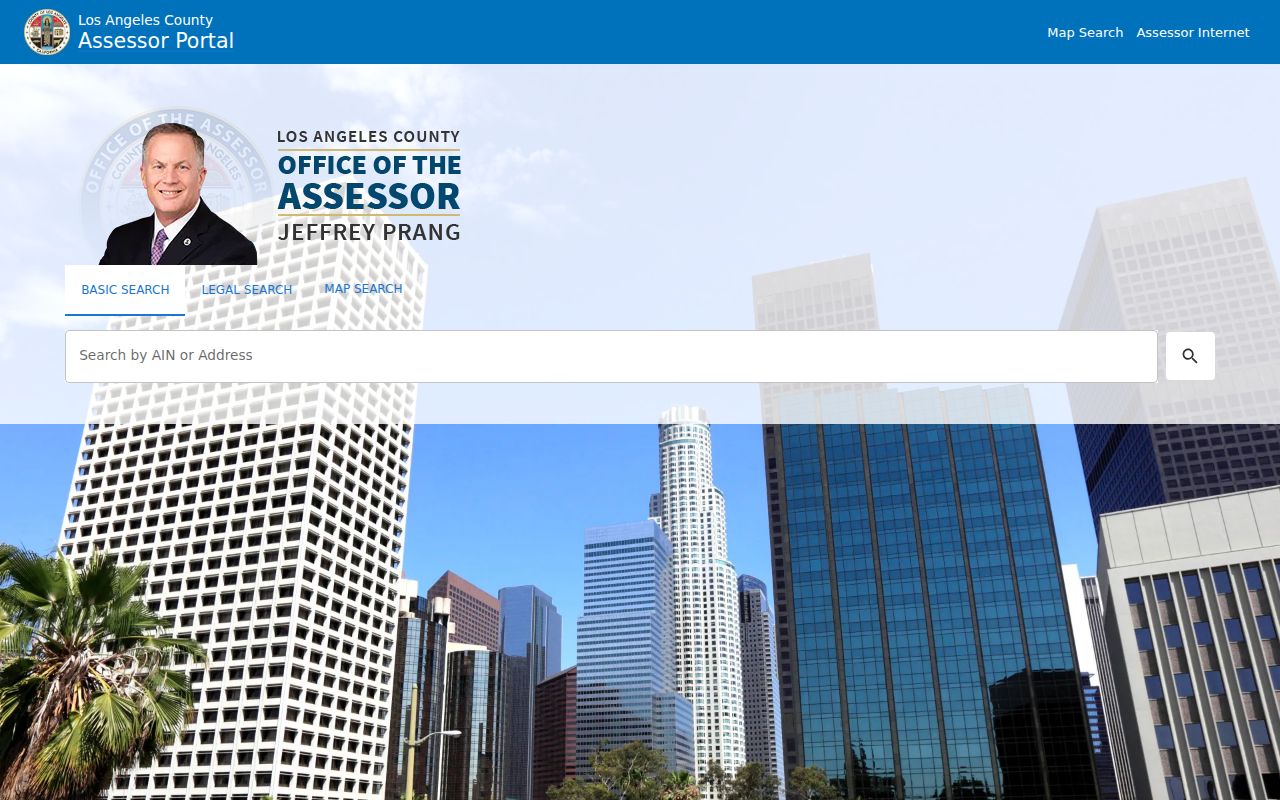
A parcel result is a starting point, not a claim about who occupies the home. Use the authorized owner channel first, then pick the next record to match the question.
Current South Pasadena Resident Sources
Current resident evidence lives in records with different meanings. The Assessor connects a parcel to assessed ownership. The voter system confirms a voter's own status. The recorder supplies named parties to recorded instruments. City staff and board pages show public roles, while city permits can name applicants, contractors, or architects tied to an address. None of these systems is a complete population register.
| Source | What it can show | Keeper | Access path |
|---|---|---|---|
| Parcel roll and map | AIN, situs, legal parcel, values, building facts | LA County Assessor | Free web search; owner controlled |
| Recorded instruments | Grantor, grantee, liens, dates, legal description | LA County RR/CC | Counter or copy order |
| Voter status | One voter's registration status and election details | California Secretary of State | Authenticated self-lookup |
| City-created files | Applicants, speakers, contractors, public roles | South Pasadena | WebLink or CPRA request |
| Local history | Listed adults, students, events, household clues | South Pasadena Public Library | Reference desk or appointment |
The South Pasadena City Records Program is especially useful when a person appeared in a council, permit, contract, or public-comment record. When the goal is one person, the South Pasadena resident lookup workflow keeps the name, role, date, and source type separate.
The California bizfile Online search adds organization roles and filing addresses, while the Department of Consumer Affairs search adds public license status where a person works in a regulated profession. Those are affiliations and public filings, not proof of a home address.
The California business search is captured through the official Secretary of State portal, where a business name or entity number can lead to status, jurisdiction, agent, addresses, and filed documents. It is a useful public-role clue when a South Pasadena name appears in a company record.
Keep the filing date beside every result. A business address belongs to the organization or its agent. Never treat it as a residence.
Scale matters too. Census QuickFacts counted 26,943 people at the 2020 Census across 3.41 square miles. That density means similar names are common. Context is essential. The South Pasadena QuickFacts profile supplies that geographic and population backdrop.
South Pasadena Deed Records Stay Offline
Los Angeles County has recorded real-estate instruments since 1850. That long history does not put a deed index on the open web. RR/CC keeps it offline on purpose. Recorded instruments can contain protected home addresses. The county cannot reliably sort every protected official from the rest of the records office files. Anyone wanting a view can book an appointment at the Norwalk headquarters. Orders can also go through an online vendor, by mail or fax, or at a participating branch.
A copy order needs a party name plus a recording year. A document number, book and page, or document title also works. RR/CC will not start a real-estate request from a street address or APN. Online orders can take up to twenty working days. The current fee page lists plain and certified copy charges. It also lists a name-and-year search charge and a credit-card handling charge. Viewing at the counter is free-standing access, separate from any paid copy.
| Route | Best for | What to bring |
|---|---|---|
| RR/CC counter | Viewing an index or instrument | Party name, year, and parcel clues |
| Online, mail, or fax order | Plain or certified copy | Document number or name, year, type, payment |
| Assessor bridge | Turning an address into a party clue | AIN, situs, legal description, authorized owner request |
The Los Angeles County recorder access page lays out these channels. It explains why the deed trail runs through a counter or a paid order rather than a free web box.
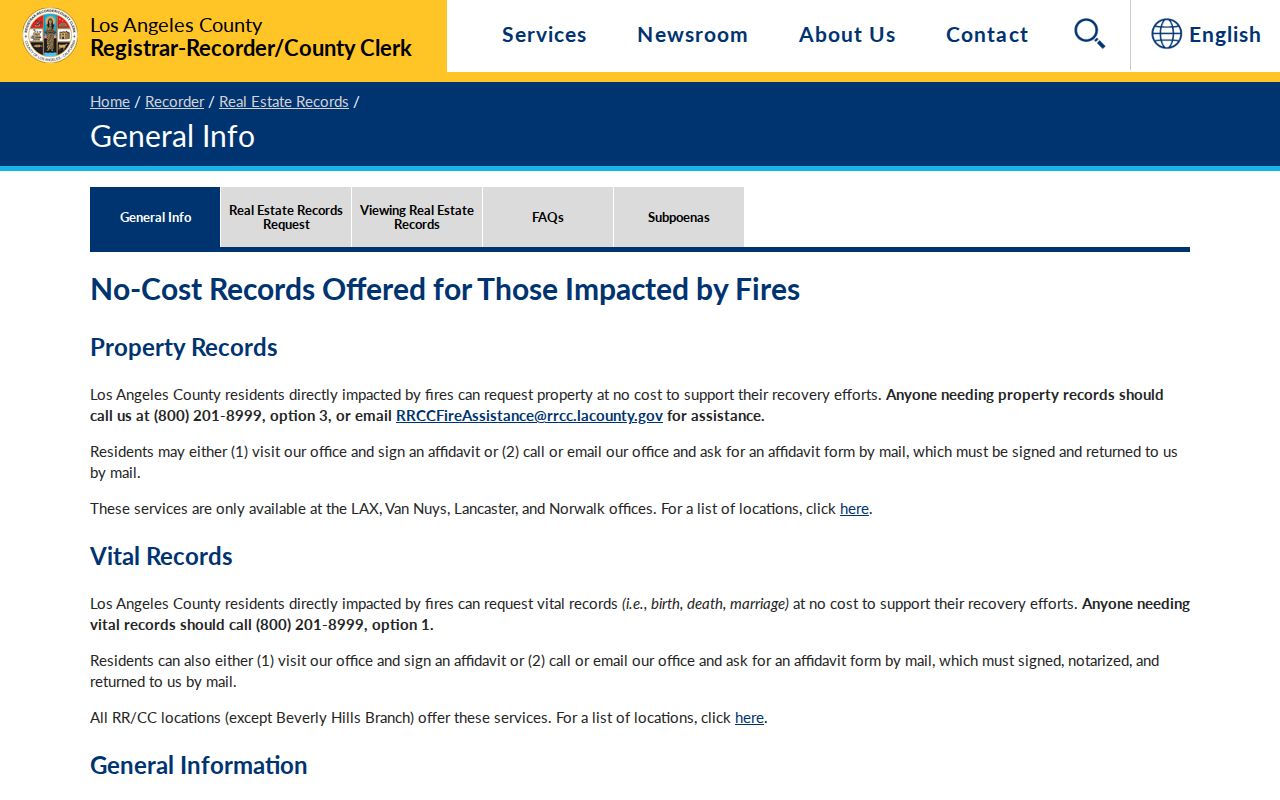
One access rule shapes every address search in this county. Use the parcel to find the likely party first. Then take that name to the recorder's name-and-year process.
| Official county record | Commercial directory service | Careful use |
|---|---|---|
| Custodian-held deed, parcel, or court source | Compiled clues from many sources | Use the official record to verify |
| Defined fields and legal access rules | May merge similar names or stale addresses | Record the date and source type |
| Counter, request, or authenticated route | May charge for a report or update | Do not treat a result as current proof |
The South Pasadena Library Directory Trail
The South Pasadena Public Library holds a rare local run. It ties people, streets, and time together. Physical city directories run from 1893 to the present. The shelves also carry South Pasadena High School's Copa de Oro yearbooks from 1909 onward. Local newspaper microfilm runs from 1893 onward as well. Directories through 1962 and yearbooks from 1909 through 1924 are digitized on Internet Archive. The newspaper titles include the South Pasadena Review, South Pasadena Record, Foothill Review, South Pasadena Courier, and Federated News.
Start at the Reference Desk for the physical shelves. Sensitive archival series need an appointment. The library may limit handling, scanning, copying, or photography. The Local History Librarian takes genealogy and house-history questions at localhistory@southpasadenaca.gov and (626) 403-7359. The library at 1100 Oxley Street is both a collection point and an access guide. That matters when an online scan is incomplete. It also matters when an old street directory index is hard to read.
The South Pasadena Local History Collection pairs directory entries with photographs, biographical files, landmark files, and named archives. American Legion Post 140, the school district, PTA, Cawston Ostrich Farm, Broadbent Military Academy, and family papers can each supply a public association clue. Remember what these are. They are appointment collections, not current resident databases for past residents lookups.
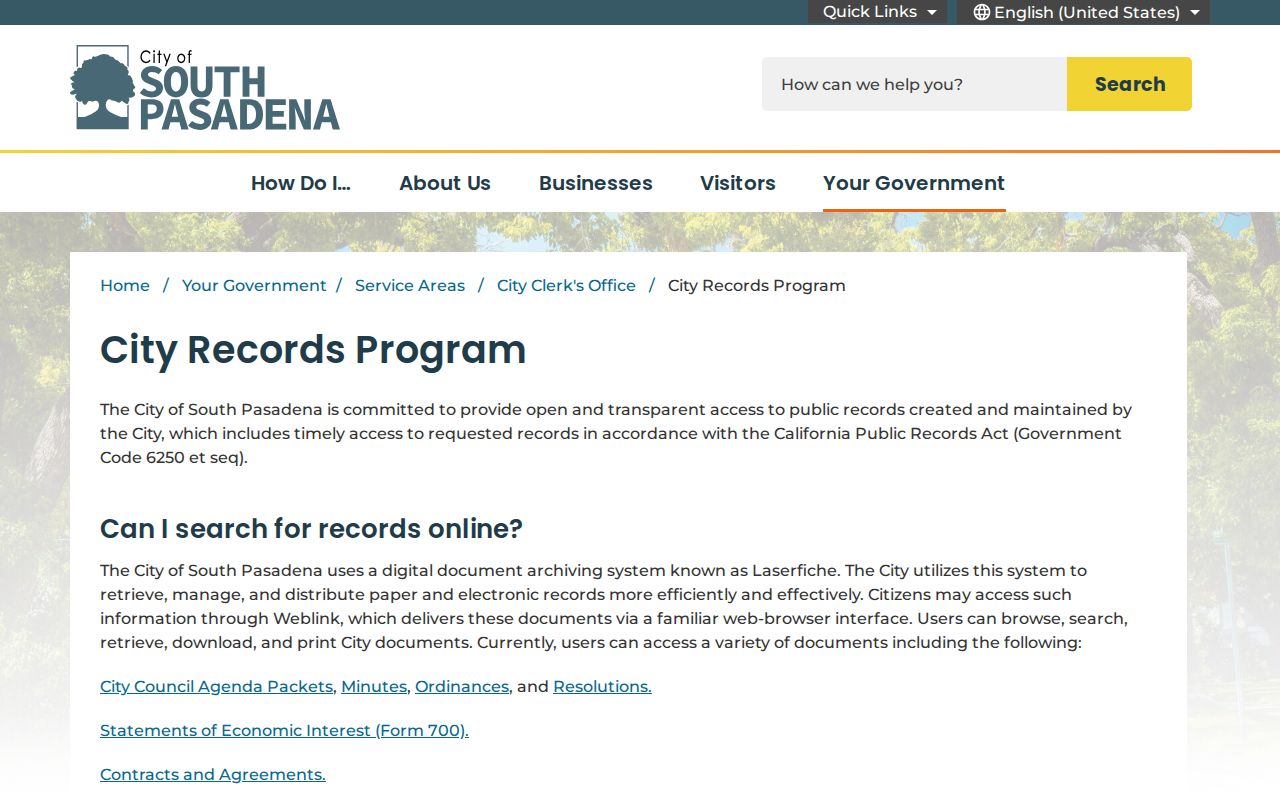
A city-records screen and a library shelf answer different questions. Together they explain why a name appears in a local paper or permit file without showing up in a current roll. Each record answers only its own question.
The digitized South Pasadena Public Library collection on Internet Archive is the off-site doorway to the older public-domain run. A scan still deserves a check. Compare it against the printed page, its abbreviation key, and nearby years.
Privacy tools cannot remove a library volume. They address different records and different custodians. Keep any historical clue labeled as historical.
Choose a South Pasadena Record
A good South Pasadena residents directory search starts with the claim that needs support. An assessor's owner connection is not a current resident. A court index proves a party used a name in a case, nothing more. A yearbook can reconnect a former classmate while saying nothing about a present address. A vital certificate may confirm an event and a relationship. Yet eligibility rules control who can receive it.
| Question about a parcel | Start with Assessor address or AIN search and map facts. |
|---|---|
| Question about an owner | Use the authorized Assessor owner channel, then RR/CC party records. |
| Question about a past household | Use directories, reverse volumes, census, and newspapers. |
| Question about a court matter | Choose the LA Superior Court division and compare date and role. |
| Question about an event | Use LA County or CDPH vital-record eligibility and copy rules. |
That order avoids a common trap: reading one partial record as a complete biography. The LA Court Find a Case portal separates civil, probate, family, small-claims, and criminal name services. So the division belongs in the search term itself.
Verify a South Pasadena Resident Name
Same-name mix-ups happen early, at the first search box. A middle initial, a suffix, a filing date, and a party role all help. Save them before you copy anything into a second system. Then compare at least two independent records. Each source adds its own kind of proof. A business filing may list an agent or officer role. A court summary shows a case type and a courthouse location. A street directory entry can tie a name to an address. It sometimes adds a spouse or widow notation. None of these should be stretched past what the fields plainly state.
A distinctive name rewards a careful sequence. Start with the California business and license indexes. Move to LA Superior Court. End at a known parcel or historical address. The State Controller's unclaimed-property search sometimes supplies a reported city or ZIP clue. That clue is stale by design. Treat it as a lead rather than proof of where someone lives now. The California Department of Consumer Affairs license search verifies a public professional record. It does so without opening private household details.
The official Los Angeles Superior Court case search screen separates its pieces clearly. Case number, filing date, location, and case type each sit in their own fields. Party or defendant search, calendar, and selected image access do too.
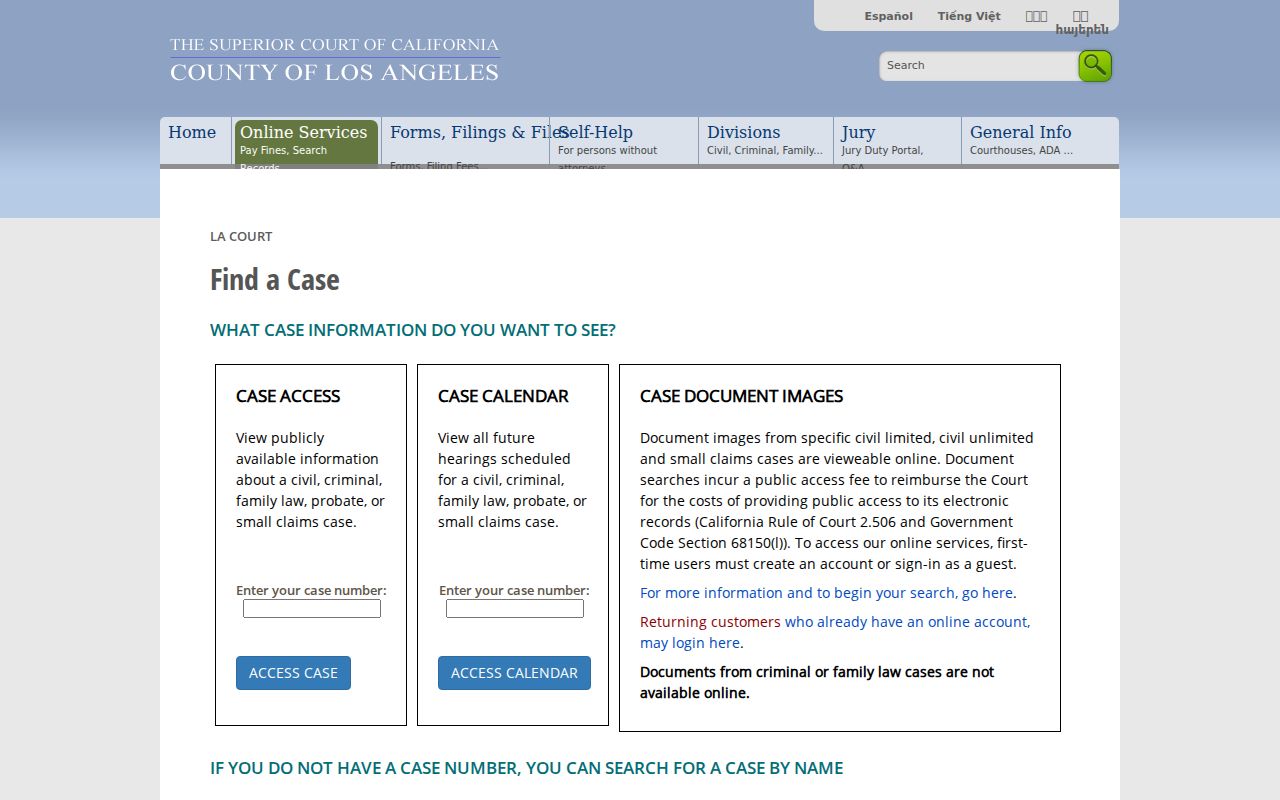
Use each result to narrow the identity question. Filling the gaps with guesswork defeats the purpose. A clerk can walk you through requesting a file. Clerks generally will not certify that two same-name entries belong to one person.
The state license search makes a related point well. Public role and home identity should stay separate. Its result can carry a status, dates, and public discipline links where they exist. A professional role is a match point, never a residence claim.
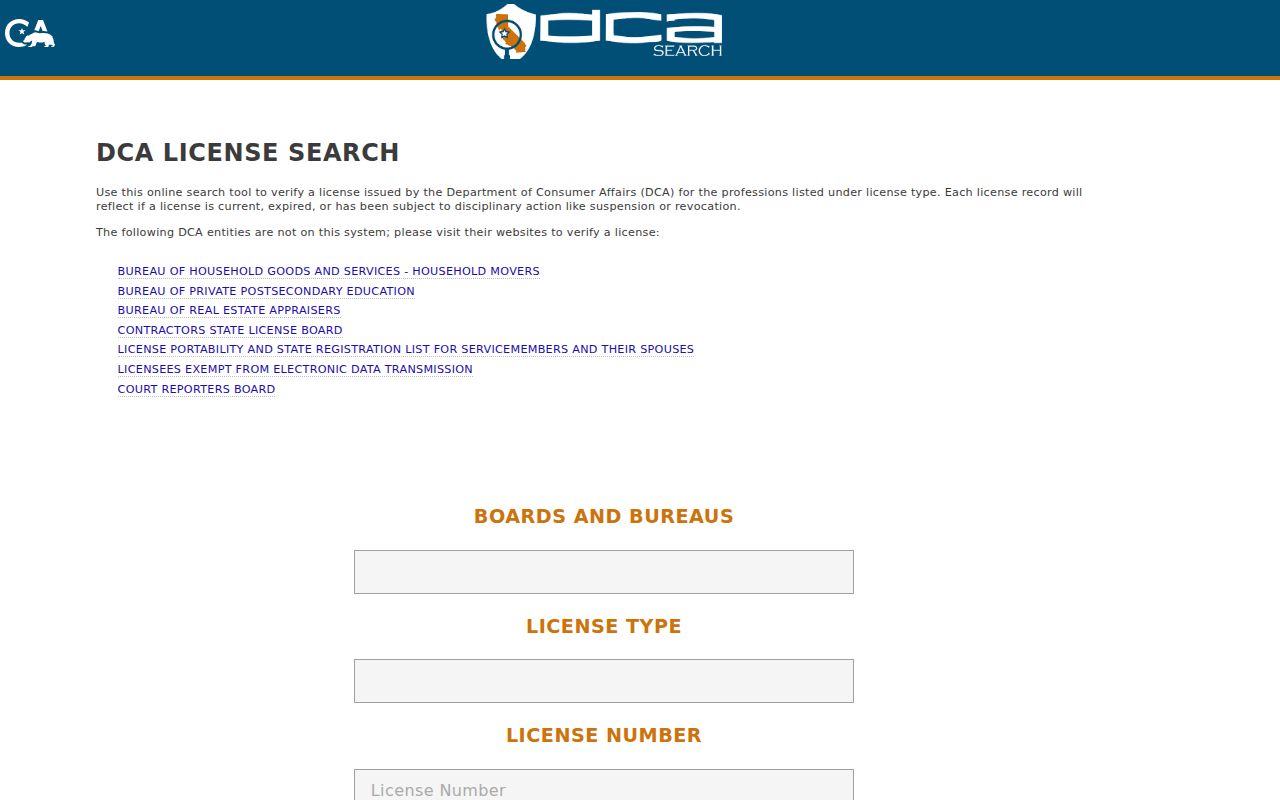
Family-history work rewards one small habit. Date every result and keep the record category beside the name, so a later correction stays easy.
South Pasadena Resident Voter Limits
California My Voter Status exists for a voter's own eyes. It confirms personal registration details, party preference, and election information after authentication. It is not a public name-and-address lookup for South Pasadena. The state voter file can be requested only for approved election, scholarly, journalistic, political, governmental, or audited record purposes. Confidential voters with protected addresses are excluded from it.
That boundary matters for any lawful resident lookup. A self-check result verifies the requester alone. An approved file may hold name, registration county, status, precinct, registration date, mailing or residence data, and participation history. It still is not a general public browse of a block. Elections Code sections 2188, 2188.5, and 2194, with related regulations, govern all access and use.
For a personal check, the California My Voter Status page and the Secretary of State's registration-status gateway are the proper routes. Neither substitutes for an open South Pasadena residents directory. Neither should be treated as one.
The self-lookup surface stays narrow on purpose. That design protects voters while keeping lawful historical and civic research channels open.
Protect South Pasadena Resident Addresses
California's privacy channels run beside the public-record trail, not through it. Safe at Home gives qualifying survivors and certain protected participants a substitute mailing address. That address comes with confidential mail forwarding. Voter records for eligible participants can carry confidential status. Adoption, juvenile, sealed court, DMV, and other protected records stay under their own laws. A records request cannot override any of those limits.
The 2026 Delete Request and Opt-out Platform, called DROP, works differently. It lets a California resident send one deletion request. That request can reach more than 500 registered data brokers. The platform launched in January 2026, and mandatory broker processing began August 1, 2026. DROP reaches covered commercial data brokers only. It does not erase a deed, court file, city archive, or library directory. A custodian must retain those records.
Lawful use. South Pasadena records are for personal, lawful research, family history, civic understanding, and safety awareness. Never use a name or address to stalk, harass, threaten, impersonate, or evade a confidentiality program.
The California DROP portal and the Safe at Home program answer different problems. Pick the channel that matches the custodian. Never publish a protected address while correcting a result.
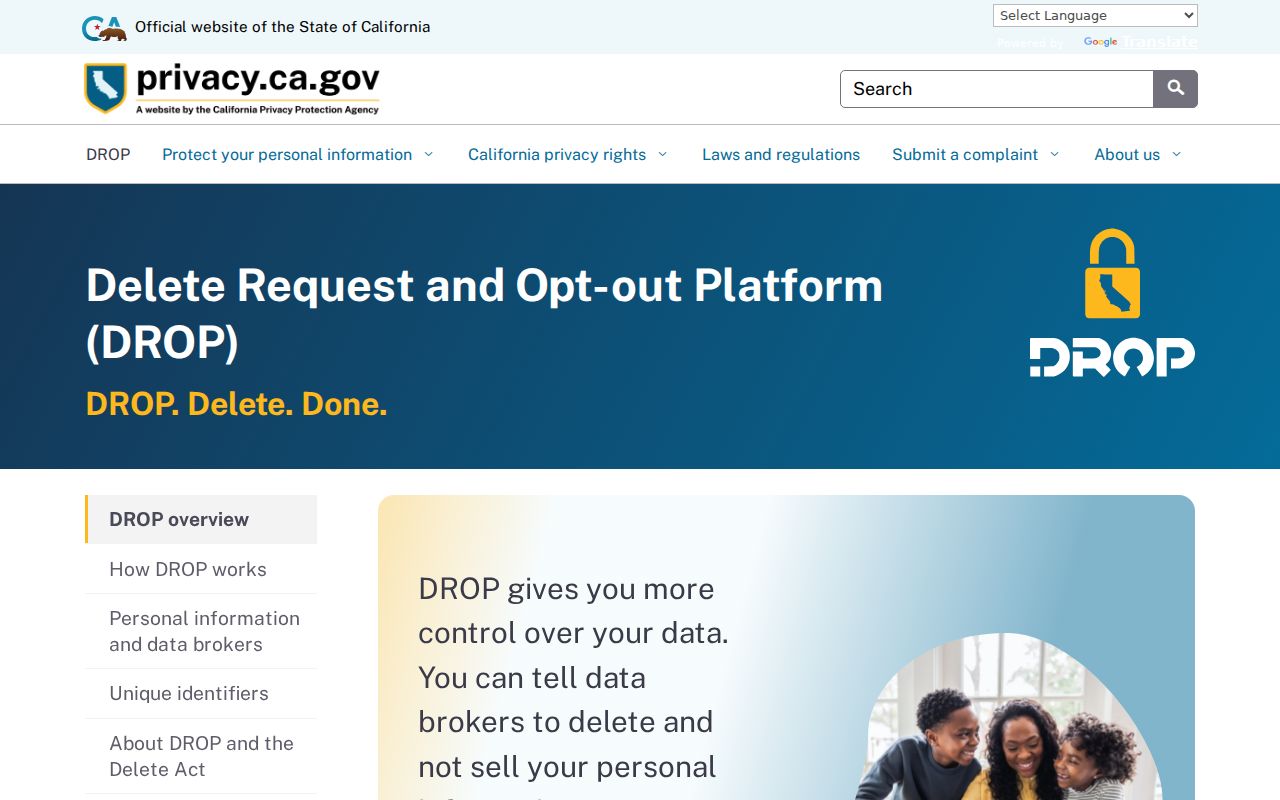
Track deletion work with the request date and any confirmation number. Public archive research must respect both the archive's rules and the safety of the person involved.
South Pasadena Record Terms
Four terms keep an address search honest. They describe a record's structure, not a person's whole life. Read them before copying a name between systems.
- Parcel
- A mapped piece of land with an AIN and legal description; a parcel can contain more than one postal unit.
- Situs address
- The physical location of the parcel or improvement, distinct from a tax-mailing address.
- Index
- A finding aid with names, dates, types, or numbers; an index is not always the full record image.
- Criss-cross directory
- A reverse directory section arranged by street and house number, used to move from an address to a listed occupant.
Two Los Angeles County tools look similar but answer different questions. The assessor map concerns land. The library's reverse volumes concern historical listings. The Assessor map help page explains the AIN and the owner-name restriction, while the library's house-research guidance shows how directories, permits, deeds, and Sanborn maps fit together.
2026 South Pasadena Resident Records
A few current items can shift the cost or timing of a search. Fee tables and processing estimates change, so confirm with the custodian at order time. The points below work as freshness checks along a South Pasadena residents directory trail.
- California's DROP platform launched in 2026, with mandatory broker deletion processing beginning August 1.
- CDPH's 2026 certified-copy fees are $31 for birth, $26 for death, $19 for marriage, and $18 for dissolution.
- Los Angeles County's real-estate fraud prosecution recording surcharge increased from $5 to $10 on June 1, 2026.
- The Homeowner Notification Program combines specified mailed recording notices with Assessor Portal e-Notification enrollment.
- CDPH reported about four to six weeks for certified copies and seven to nine weeks for amendments in its July 9, 2026 update.
None of these changes produces a new all-person directory. They change how a researcher protects a current owner. They also cover ordering a vital copy or removing a data-broker record. A homeowner notice can flag an unexpected filing. But the deed itself still needs to be read. A DROP request reaches registered brokers, not lawful government archives.
Two pages repay a recheck before any time-sensitive request. The first is the California vital-record fee schedule. The second is the Los Angeles County Homeowner Notification Program.