
South Pasadena ZIP Code Coverage
South Pasadena's ordinary street-delivery ZIP is 91030. USPS also recognizes 91031 as a PO-box-associated code for South Pasadena. The research record did not locate an authoritative polygon table that lists every boundary segment or every out-of-city delivery edge, so a ZIP code directory should not invent neighborhood lines. Verify the exact address through USPS before using a postal clue in a record search.
| ZIP | Address role | Post office detail | Research caution |
|---|---|---|---|
| 91030 | Street delivery across South Pasadena, with edge cases possible | Verify the station for the exact address through USPS | Not a legal city-boundary dataset |
| 91031 | PO boxes and postal use associated with South Pasadena | Verify the box facility through USPS | Do not map it as a residential neighborhood |
A ZIP code directory can state the known postal role without claiming that a code has one uniform social or municipal meaning. Postal city, assessor situs city, school district, police area, and municipal boundary can diverge.
South Pasadena covers 3.41 square miles, yet its compact size does not make postal and land geography identical. Census QuickFacts gives a 2020 population of 26,943 and a 2025 estimate of 25,503. Those figures explain why a ZIP clue can contain many similarly named households without becoming a person index. Use the postal result to check delivery, then use the AIN or a dated name record to separate one address from another.
South Pasadena 91030 ZIP Streets
91030 is the principal street-delivery code associated with South Pasadena. It can help check a typed address, sort a list of known records, or identify a postal label that looks slightly different from the city name. It cannot produce a street-by-street resident list. The ZIP reaches the mail stream, while the county parcel system identifies land.
When the postal code appears beside a South Pasadena address, record the full street line and verify it with USPS. Then search the Assessor Portal by address or AIN. If the goal is a street chain, save the parcel and move to deeds, permits, and reverse directories. If the goal is one person, use a name and date across the appropriate official indexes.
The USPS ZIP Code Lookup is the source for the delivery format, not an owner or occupant record.
South Pasadena 91031 ZIP Box Clue
91031 is associated with PO-box use in South Pasadena. It should not be treated as a second residential territory or as a map of a neighborhood. A PO box tells you where mail is collected, not where land lies or who uses a building. A postal directory that turns this code into a block list would overstate the source.
For a PO-box clue, verify the box facility with USPS and keep it separate from the situs address, mailing address, and legal description. If the research question concerns a person, a business, or a past household, move to the custodian that actually holds the relevant record. A state business filing can show a mailing address, but that address belongs to the filing and must be dated.
The USPS address and ZIP tool is the proper check for a specific box or street-delivery line.
Find South Pasadena Residents by ZIP Code
There is no verified public South Pasadena portal that returns a ZIP-wide resident list. The Assessor accepts address and AIN searches, but the research did not verify a public ZIP filter or owner-name search. The voter file can contain ZIP-related fields, yet access is restricted to approved purposes. RR/CC cannot begin a deed search from a ZIP, address, or AIN. A ZIP is a narrowing clue, not the final search key.
- Run the full address through USPS and save the returned city, state, and ZIP.
- Use the Assessor Portal to identify the AIN, situs, legal description, and parcel facts.
- Choose the next custodian: city permits for project activity, RR/CC for recorded parties, or the library for historical occupants.
- Use a name, year, or document number for a deed or court search instead of asking the recorder to search by ZIP.
- Cross-check the resulting record with the exact address and date before calling it a South Pasadena match.
Once a ZIP narrows the known address, the South Pasadena street directory workflow handles parcel-by-parcel work. The postal guide stops at postal geography.
South Pasadena AIN and ZIP Places
An AIN identifies a county parcel. A situs address locates the improvement. A mailing address receives tax or other correspondence. A legal description identifies land in a recorded instrument. A postal code organizes delivery. These four fields can appear together, but they answer different questions and should not be substituted for one another.
- ZIP code
- A postal delivery area or code, not a parcel or municipal boundary.
- ZIP+4
- An extended delivery code that adds detail to a base ZIP address.
- PO-box ZIP
- A code associated with box delivery that does not describe a residential area.
- Carrier route
- A postal delivery route within the mail system, not a list of residents.
- AIN
- The Assessor Identification Number for a parcel in the county land system.
Keeping these terms separate prevents a postal directory from making a false leap from mail delivery to ownership or occupancy. The Los Angeles County Assessor Portal and Assessor Map are land tools; USPS is the delivery tool.
Verify South Pasadena ZIP Delivery
USPS verification belongs at the front of a postal search when an address has an old spelling, a unit number, a PO box, or a city label that seems wrong. Enter the full known address and keep the returned format. The result can confirm a delivery ZIP and preferred postal city, but it does not certify an owner, resident, parcel boundary, or municipal jurisdiction.
The official USPS tool is especially useful before requesting a permit record or comparing a modern address to a historic directory. If the result does not match the city line expected from the assessor, check the parcel map and the city planning source rather than forcing the postal label into the record.
The USPS ZIP lookup page is the source captured for the South Pasadena delivery check.
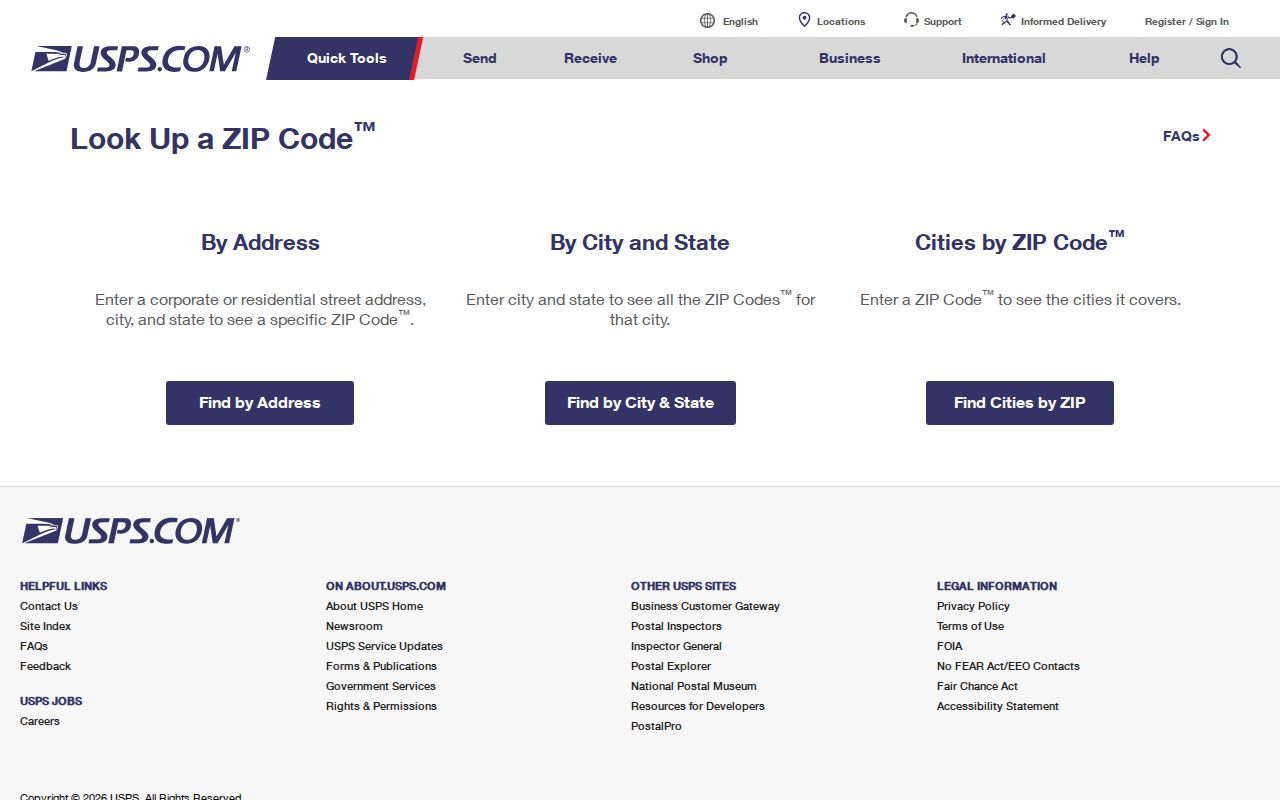
The result screen supports exact-address verification. It does not create a public ZIP-wide resident search.
South Pasadena ZIP Boundaries
A postal code can cross a jurisdiction edge, and a city address can carry a postal label shaped by delivery operations. South Pasadena is compact at 3.41 square miles, but the mismatch risk remains. The postal guide should not use 91030 or 91031 to redraw the city line, assign a school area, or decide which agency holds a permit.
Check the municipal or parcel map for city status, then check the city department for the record series. Building permits belong to South Pasadena when the project is within city authority, while nearby jurisdictions may use their own systems. A ZIP alone cannot choose the correct permit desk.
Boundary check. USPS verifies delivery. The assessor verifies parcel identity. The city or county verifies jurisdiction. Use all three when a ZIP and city name do not line up.
The South Pasadena Building Division is the local starting point for permit questions after the address and jurisdiction are verified.
Historical South Pasadena ZIP Addresses
Modern ZIP codes cannot solve an old-address problem by themselves. Search selected reverse-directory years, compare cross streets and house numbers, and use Sanborn maps or permits to bridge a changed footprint. The library's reverse years include 1929 through 1947, 1955, 1958, 1961, and 1974. Sanborn maps can show footprints, uses, street names, and numbering context, but they usually do not supply resident names.
South Pasadena's local history includes a specific rename: Orange Grove Place was formerly Fell Street in the 1906 McCament Tract. An older ZIP or city label may not appear at all in the source. Preserve the original wording, then tie it to the parcel, tract, lot, or cross street rather than silently converting it.
The South Pasadena house-research guide gives the local path from directories to maps, permits, assessor records, and deeds. The full historical shelf is in the South Pasadena city directory archive.
What South Pasadena ZIP Directories Cannot Confirm
A postal directory cannot confirm who lives at a street address, who owns a parcel, whether a mailing address is current, or whether a person is registered to vote. California voter information is restricted under Elections Code sections 2188, 2188.5, and 2194. The Assessor omits owner names from its public web view. RR/CC has no open online real-estate index. Those are access rules, not gaps to fill with an unofficial list.
For a person, use a dated official record that matches the question. For a street, save the AIN and use the parcel and deed chain. For a past household, use the library's directories, newspapers, census, and maps. For a protected participant, accept the absence and do not try to work around it.
Lawful use. ZIP and address clues support personal, lawful research, family history, civic understanding, and record correction. Never use them to stalk, harass, threaten, or intimidate anyone.
A careful postal directory is valuable because it stops at the edge of what delivery data can prove and hands the next question to the right custodian.